
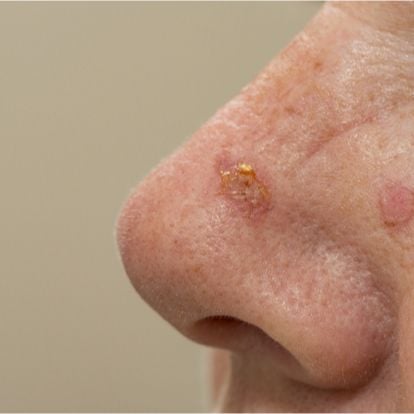
Actinic Keratoses: Detection and Treatment in Stuart, FL
Skin health changes with age, and certain conditions become more common. One such condition is actinic keratosis, also known as solar keratosis, a skin issue that requires attention due to its potential to develop into cancer if left untreated. The Romagosa Barron Dermatology & Skin Cancer Center team in Stuart, FL, led by Dr. Rick Romagosa, Dr. Yvonne Romagosa, and Dr. Greg Barron, specializes in diagnosing and treating actinic keratoses. With a friendly and professional staff, they are here to provide the care you need.
What Are Actinic Keratoses?
Actinic keratoses are rough, scaly patches on the skin caused by years of sun exposure. They most commonly appear on areas frequently exposed to sunlight, such as the face, neck, forearms, and hands. While initially benign, these patches can develop into squamous cell carcinoma, making early detection and treatment critical. Older adults, particularly those with fair skin or a history of prolonged sun exposure, are at a higher risk of developing actinic keratoses. This condition highlights the cumulative effects of UV damage over time and the importance of regular skin checks.
Recognizing Actinic Keratoses
Actinic keratoses can often be identified by their distinctive appearance and feel. Signs to look for include:
- Rough, dry, or scaly patches that feel like sandpaper
- Colors ranging from red to pink or skin-colored
- Lesions that start small but may enlarge over time
- Patches commonly found on sun-exposed areas, such as the face, ears, forearms, and hands
If you notice these signs, it is essential to schedule a consultation with a dermatologist to rule out more serious conditions.
Treatment Options for Actinic Keratoses
At Romagosa Barron Dermatology & Skin Cancer Center, treatment for actinic keratoses is tailored to each patient’s needs and the characteristics of the lesions. Common treatment methods include:
- Cryotherapy: Freezing the lesion with liquid nitrogen to destroy abnormal cells
- Laser therapy: Using targeted light to remove the affected tissue
- Excision: Surgically removing the lesion for further analysis
- Mohs micrographic surgery: A precise, layer-by-layer removal of cancerous or precancerous tissue, ensuring minimal impact on healthy skin
These approaches eliminate the lesions and help prevent progression to more severe skin conditions.
Why Early Detection Matters
The Romagosa Barron Dermatology & Skin Cancer Center team is dedicated to early detection and treatment of skin conditions, with 95% of their patients seeking care for skin cancer-related concerns. Regular skin exams are an essential part of maintaining overall health, especially for individuals aged 55 and older.
Schedule Your Skin Exam Today
If you have noticed new skin spots, rough patches, or unusual growths, don’t wait to seek professional advice. The friendly staff at Romagosa Barron Dermatology & Skin Cancer Center in Stuart, FL, is ready to help. Call (772) 220-3339 today to schedule your appointment with Dr. Rick Romagosa, Dr. Yvonne Romagosa, or Dr. Greg Barron, and take the first step toward protecting your skin health.


